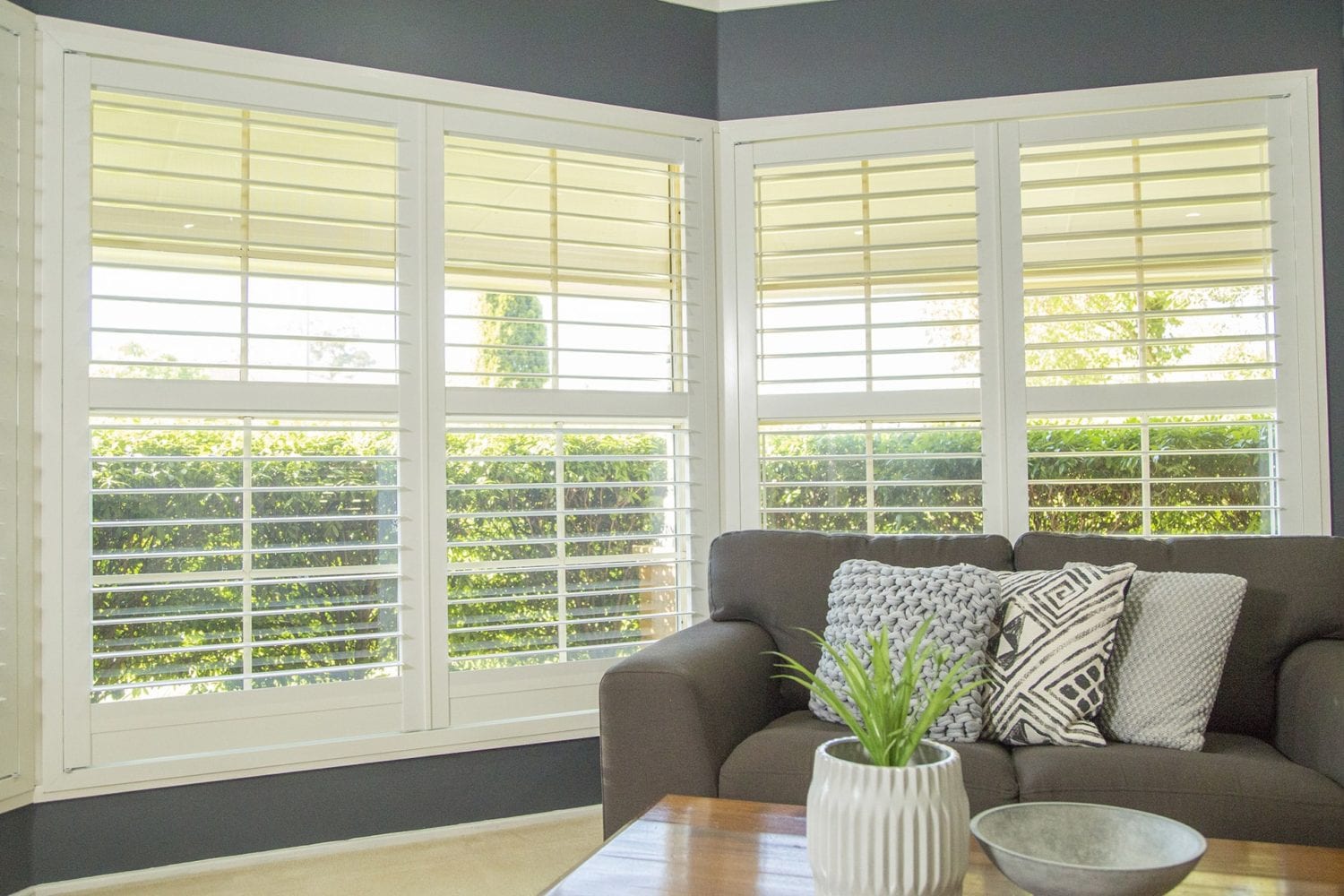
Every parent knows the late-summer bedtime battle. It is half past seven, the routine is done, and your child is standing at the window pointing out that it is still broad daylight. With the new school term only weeks away, August is the month most families decide to do something about it, and a proper blackout blind is one of the simplest, most effective changes you can make to a child’s bedroom.
In this guide we look at why darkness matters so much for children’s sleep, what fabric opacity ratings actually mean, why a made to measure blind outperforms the clip-on covers sold online, and which styles and upgrades are worth considering for your child’s room.

Why Light Evenings Make Bedtime So Hard
Our body clocks take their cue from light. As the evening darkens, the brain releases melatonin, the hormone that makes us feel sleepy. Children are especially sensitive to this signal, so a bedroom still glowing at 8pm is quietly telling their brain that it is not bedtime yet, no matter what the clock on the landing says.
The same problem returns at the other end of the night. In a British summer the sun can be up before 5am, and a bright room is an open invitation for toddlers to start the day early. Sleep experts suggest moving bedtime back gradually in the two weeks before term starts, and a dark room is what makes that reset actually stick. Get the light under control and the routine follows far more easily.
Blackout, Dim-Out or Standard? Fabric Opacity Explained
Blind fabrics are graded by how much light they let through, and the labels are worth understanding before you buy. Sheer and translucent fabrics filter daylight but offer little at night. Dim-out fabrics, sometimes sold as “thermal” or “light filtering”, soften and reduce light but still let a noticeable glow through, which is why a bedroom with a dim-out blind never feels truly dark. True blackout blinds use a fully opaque, specially coated fabric that no light can pass through at all.
One thing worth knowing: even a 100% opaque fabric cannot stop light creeping around the edges of the blind, sometimes called the halo effect. For most children’s rooms a well-fitted blackout blind gets the room more than dark enough. For very light-sensitive sleepers, a cassette headrail with side channels guides the fabric along the edges of the recess and blocks that edge glow almost completely.
Why a Proper Blackout Blind Beats a Cheap Clip-On
Search online for children’s blackout solutions and you will find no shortage of portable covers that attach to the glass with suction cups or stick-on strips. They have their place in a holiday cottage, but as a permanent fix they tend to disappoint. Suction cups lose their grip as temperatures change, usually somewhere around 3am, and stick-on fixings can mark uPVC frames. Because they rarely match your window’s exact size, light leaks around the edges anyway.
There is also a daytime cost. A cover pressed against the glass is either on or off, so the room is plunged into gloom or flooded with light with nothing in between. A made to measure blackout blind is measured to your recess to the millimetre, operates like any other blind so the room can be bright all day and dark all night, and simply looks like part of the room rather than a temporary fix. Fitted properly, it will still be doing its job when your child moves up to secondary school.
Choosing the Right Style for a Child’s Room
Blackout is a fabric choice rather than a single product, so you can have it in whichever style suits the room:
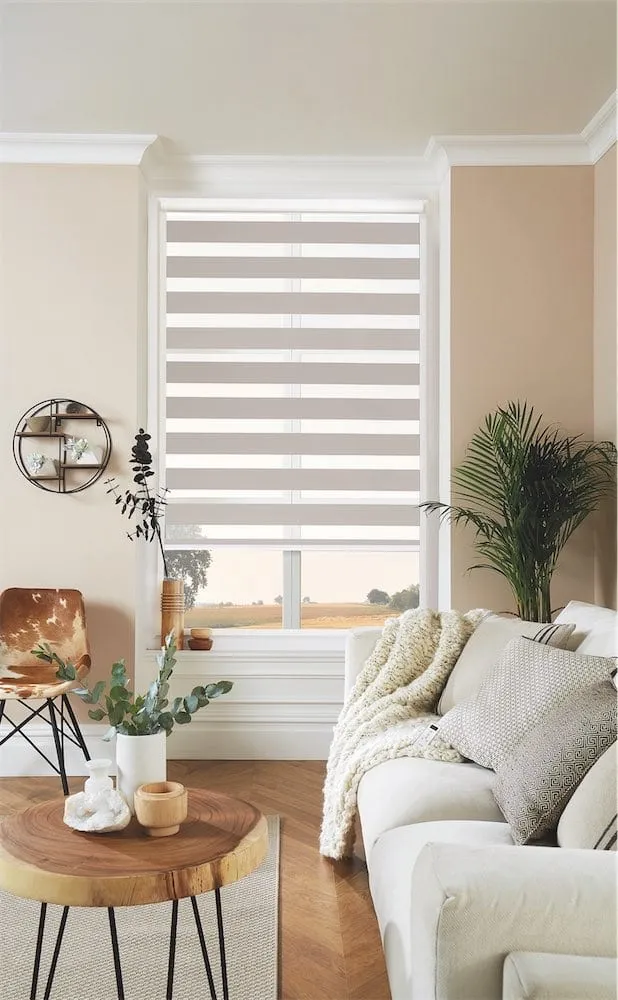
Blackout roller blinds
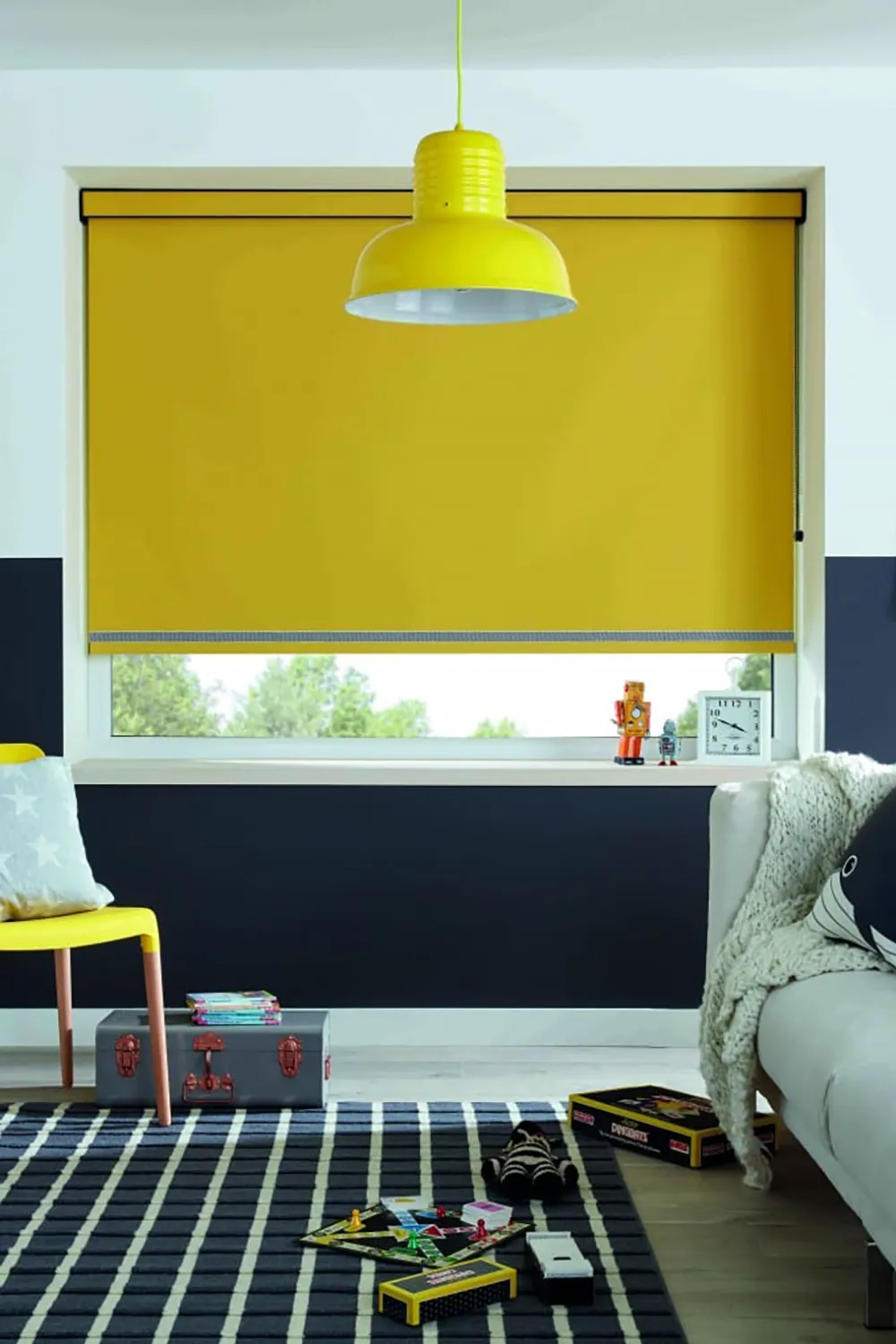
Are the most popular choice for children’s rooms. The fabrics are wipeable, which matters more than you might think, and our roller blinds come in a huge range of plains and playful patterns from our colour range, so it is easy to pick a design that will grow with your child.
Roman blinds with a blackout lining
Give a softer, more decorative finish. A roman blind in a textured fabric adds warmth to a nursery and still delivers full blackout performance behind the scenes.
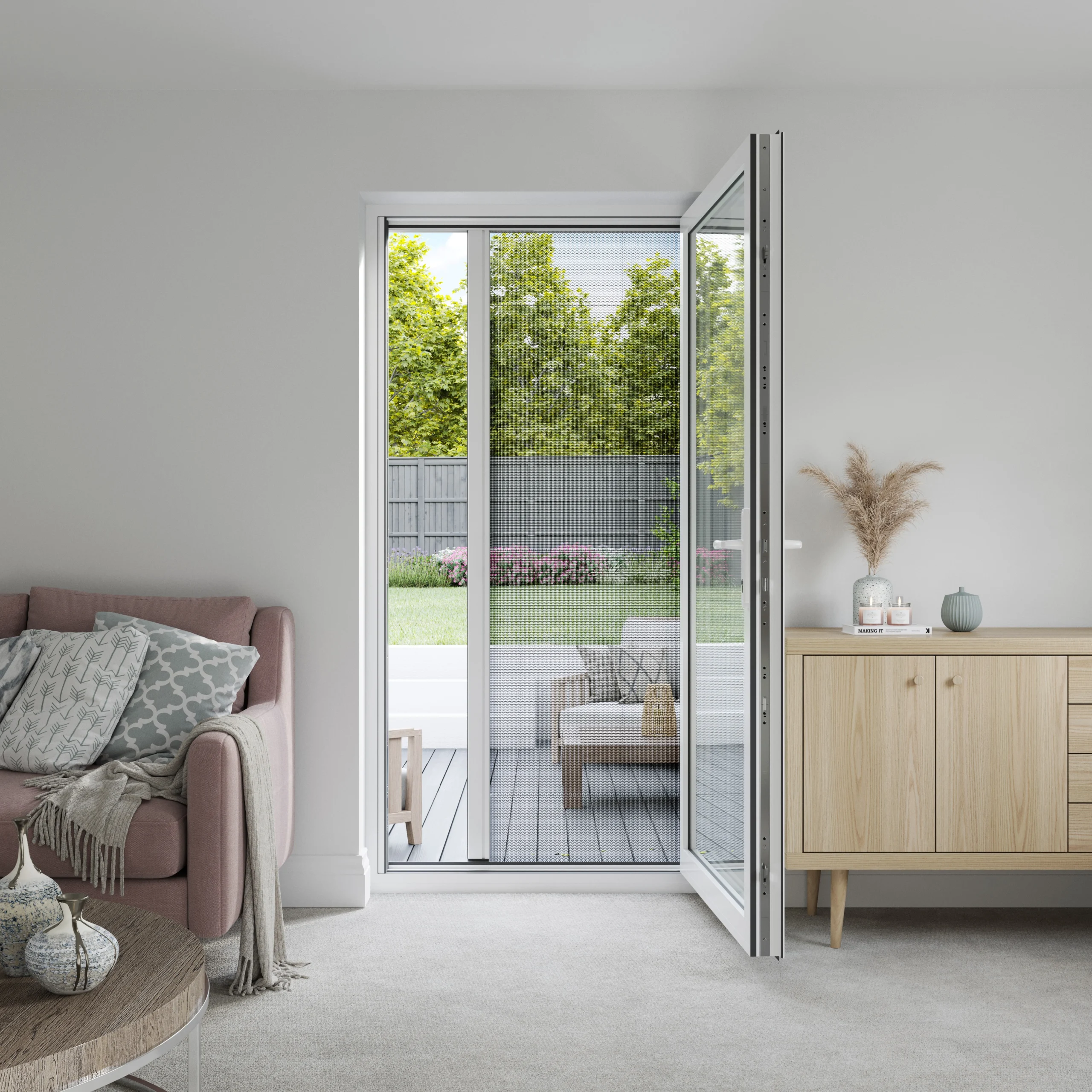
Perfect Fit blackout blinds
Clip neatly into the frame of uPVC windows with no drilling and no dangling controls. Perfect Fit blinds sit close to the glass, which also helps reduce the light gap around the edges.
Whichever style you choose, every blind we fit meets current safety standards. If you would like the full picture, our child safety advice page covers it in detail.
Motorised Blackout Blinds: A Small Upgrade Parents Quickly Love
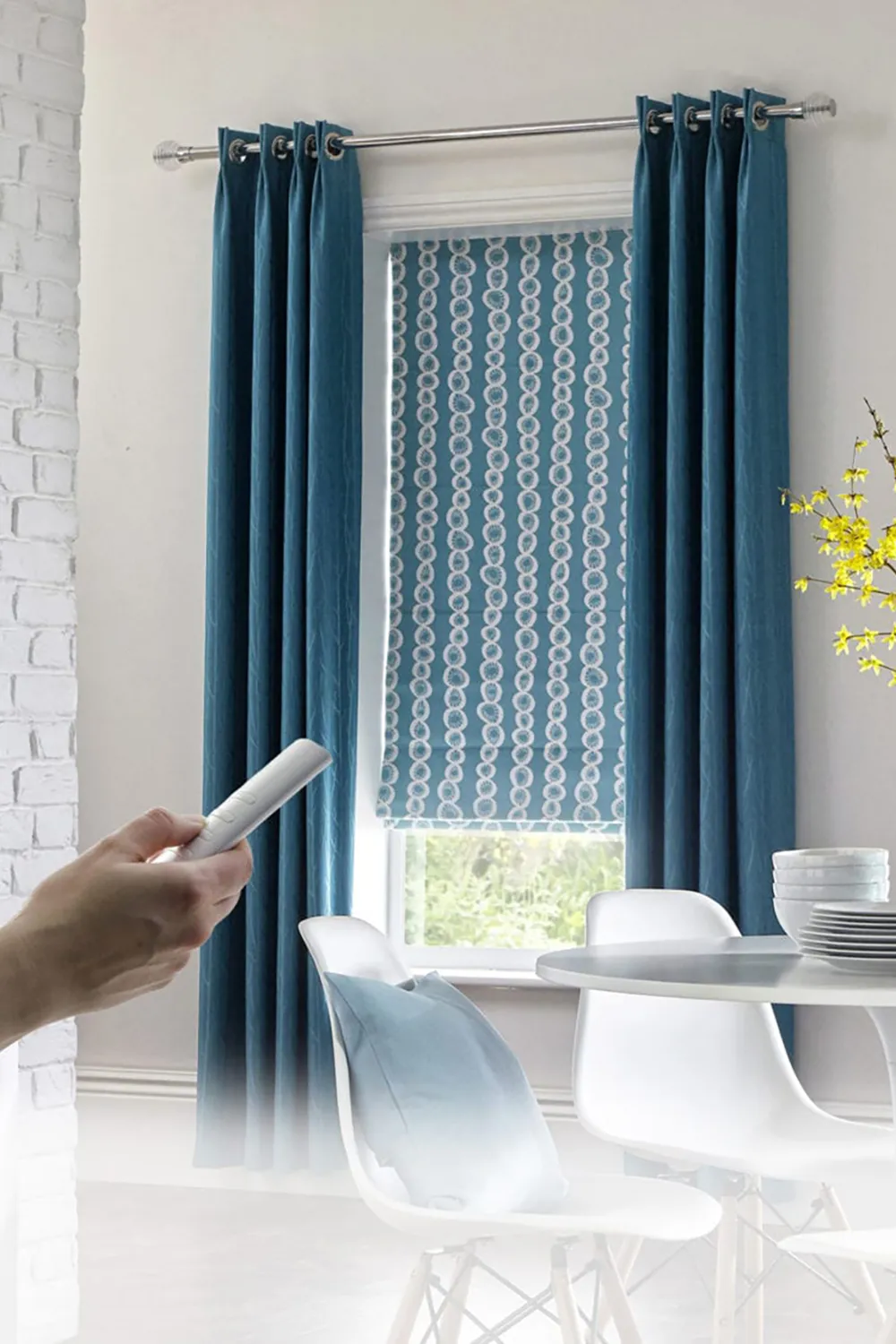
Motorisation might sound like a luxury for a child’s bedroom, but it earns its keep in family homes. Motorised blinds can be set on a schedule, so the blind closes at the same time every evening as part of the bedtime routine and opens gently in the morning to wake your child with natural light on school days. That morning light cue is one of the kindest ways to shift a young body clock back to term-time hours.
Parents of babies appreciate them for a different reason: the blind can be closed from the doorway at nap time without creeping across a creaky floor. There are no chains or cords to manage, batteries last months between charges, and the same system can later link into a wider smart home setup if you ever want it to.
Get It Sorted Before the School Run Returns
Every blackout blind we supply is made to order, so it pays to plan a little ahead of September. Our home visit takes around half an hour: we measure each window precisely, bring the fabric books to you, and give you a clear quote on the spot with no obligation. If you would rather do some homework first, our measuring guide explains what is involved. From measure to fitting typically takes a few weeks, which means an appointment booked in August has the room dark and ready for the first week of term.
Frequently Asked Questions
Will a blackout blind make my child’s room completely dark?
The fabric itself blocks 100% of light, so the room will be dramatically darker than with any standard blind. A small amount of light can edge around the sides of the fabric, and for most children that is no problem at all. If your child is a very light-sensitive sleeper, ask us about cassettes and side channels, which close off those edges for near-total darkness.
What is the difference between dim-out and blackout fabric?
Dim-out fabric reduces and softens light but still lets a glow through, so the room dims rather than darkens. Blackout fabric is fully opaque and lets no light through it at all. For children’s bedrooms and nurseries, blackout is almost always the better choice.
Are blackout blinds suitable for a nursery as well as an older child’s room?
Very much so. Darkness helps daytime naps as well as night-time sleep, which makes blackout blinds especially useful in the nursery years. Wipeable fabrics cope with sticky fingers, and cord-free options such as Perfect Fit and motorised blinds are ideal where little hands are exploring.
Can you fit blackout blinds before the new school term starts?
Usually, yes. Blinds are made to order and fitting typically follows a few weeks after your measuring visit, so an enquiry made in early August is normally fitted before September. The earlier you book your free appointment, the more comfortable the timeline.
Request Your Free Quote
Bespoke Blinds has been measuring, making and fitting blinds for families across Bolton, Wigan, Chorley and the North West for more than 30 years. Measuring and fitting are free, every blind carries a 3 year guarantee, and we will happily advise on the best blackout option for your child’s room with no pressure to buy.
Request a free quote today, or book an appointment and we will do the rest. Here is to darker rooms, earlier nights and calmer school mornings.